Zalawadi Goat Milk Enhancement Project
A socio-economic project designed to be feasible and economically viable on the ground. It benefits marginal land holders, families below the poverty line and nomadic communities, so that they need not migrate and can enjoy a better standard of life.
Where we work
The project is based in village Malpur in Sindkheda tehsil of Dhule district. It covers the villages around Malpur within a radius of about 30 km, across the neighbouring districts of Dhule and Nandurbar. More villages are in process of joining.
Dhule district (13)
Malpur · Dondaicha · Karle · Hatti · Balsane · Kharde · Anjanvihire · Shewade · Salve · Arave · Chimthane · Lamkani · Tavkheda
Nandurbar district (4)
Khokrale · Vaindane · Ghotane · Shanimandal
Objectives
Our main objective is the collection of goat milk with attention to three aspects.
- 01
Quality
- 02
Quantity
- 03
Consistency
- Improve goat rearing management practices among rearers and give them proper service every day.
- Build the habit of drinking goat milk regularly among consumers.
Methodology
Local milk collectors
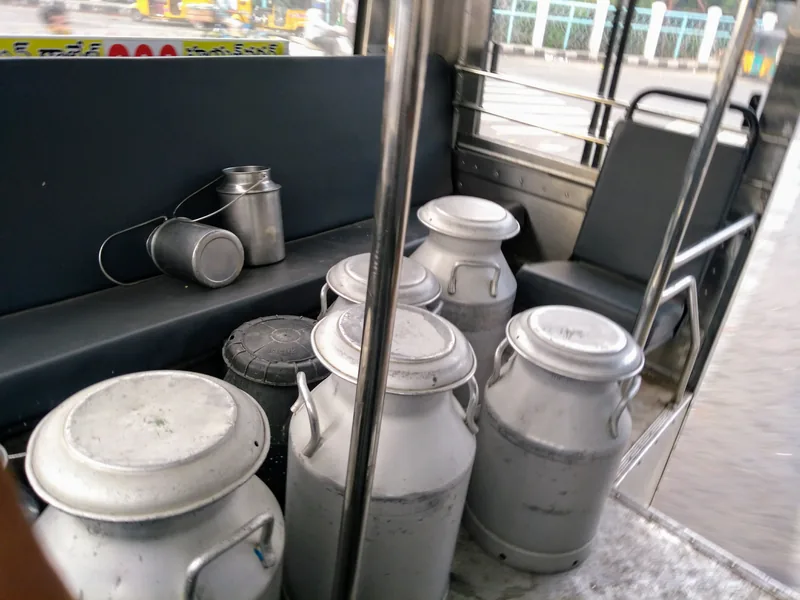
Local milk collectors collect milk on behalf of the company through a scientific and hygienic collection system.
Tagging and data collection
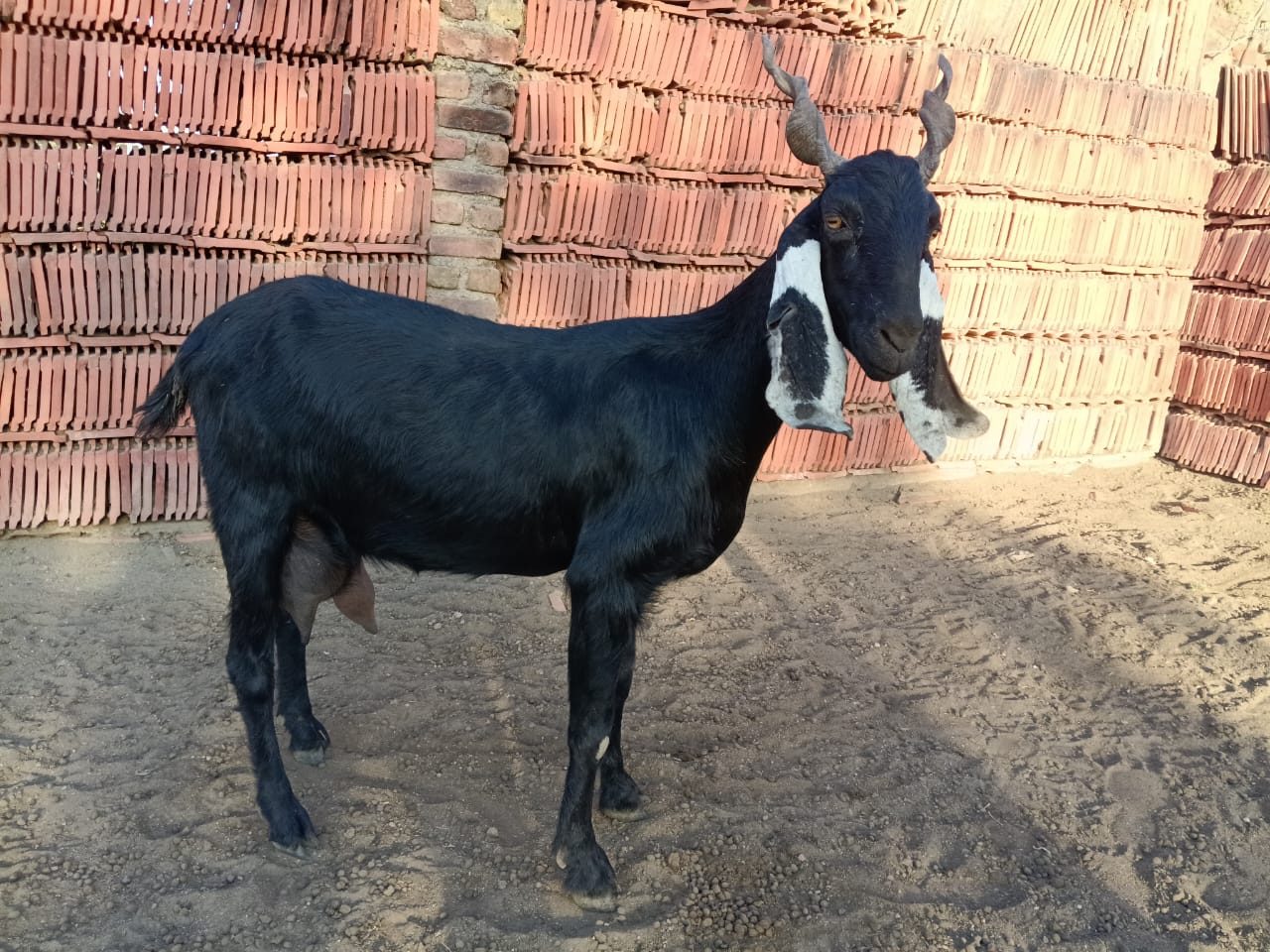
With the Animal Husbandry Department of the Government of Maharashtra, the Zalawadi goats of the area are tagged. Detailed milking data of each goat is collected and compiled through digital tagging.
Health and feed records
Health, medication, lactation, fodder and habits of every tagged goat are recorded daily and sent to the office to track each goat's performance.
Use of milking data
The data supports quality control and helps improve the quality of the goat milk.
Training for farmers
Rearers receive formal training in modern goat rearing, including health, hygiene, milking data and fodder.
Training for staff
Staff are trained to collect, compile and scrutinise milking data, handle goats and rearers, and improve productivity.
Laboratory
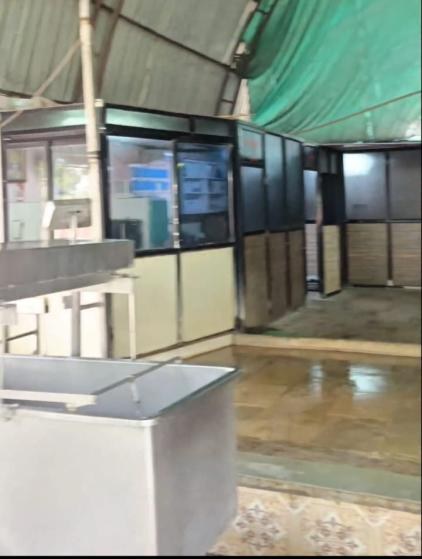
A laboratory is designed to check the pH of collected milk and preserve the record of every litre collected.
Milk targets
We plan to collect 6,000 litres of goat milk a day in the first year, rising to 15,000 litres a day within two years, with a long-term goal of 25,000 litres a day. Better quality, quantity and consistency through the year will help the milk compete in the open market and bring stability to rearers.
- Year one
- 6,000litres a day
- Within two years
- 15,000litres a day
- Long-term goal
- 25,000litres a day
Value addition and the dairy centre
Goat milk is valued for its nutrition and its lower fat proportion. We aim to help every rearer get a competitive price for milk, keep goats free from disease, and reduce mortality so that rearers can keep their animals through the year instead of selling them. We are also proud to preserve and improve this indigenous heritage.
Four lines of work
- Goat milk dairy
- Goat feed unit
- Fertilizer from goat dung
- Pesticide from goat urine
Dairy and milk processing centre
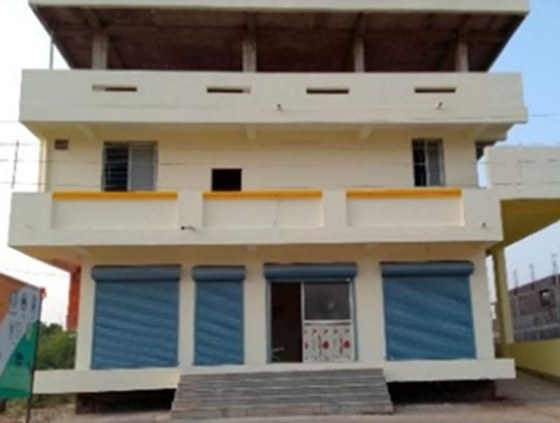
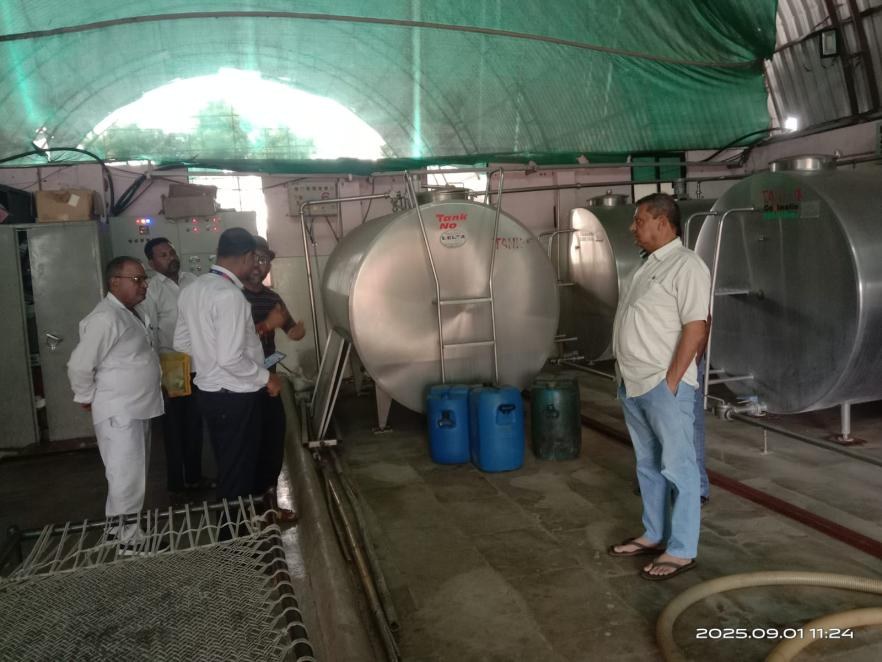
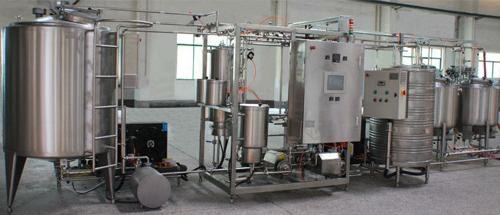
The dairy at Malpur has a conveyor belt, a computerised weighing machine with dump tank, six bulk milk chillers of 5,000 litres each, a laboratory for all types of milk testing, a hot water boiler, a 125 kVA generator and an air-conditioning unit. Daily delivery of Zalawadi goat milk has started from Malpur.
The journey of a litre of milk
From the rearer's shed to a family's kitchen, every litre is collected, cooled, tested and recorded.
01
The goat
Every goat is tagged, and her milk, health and feed are recorded each day.
02
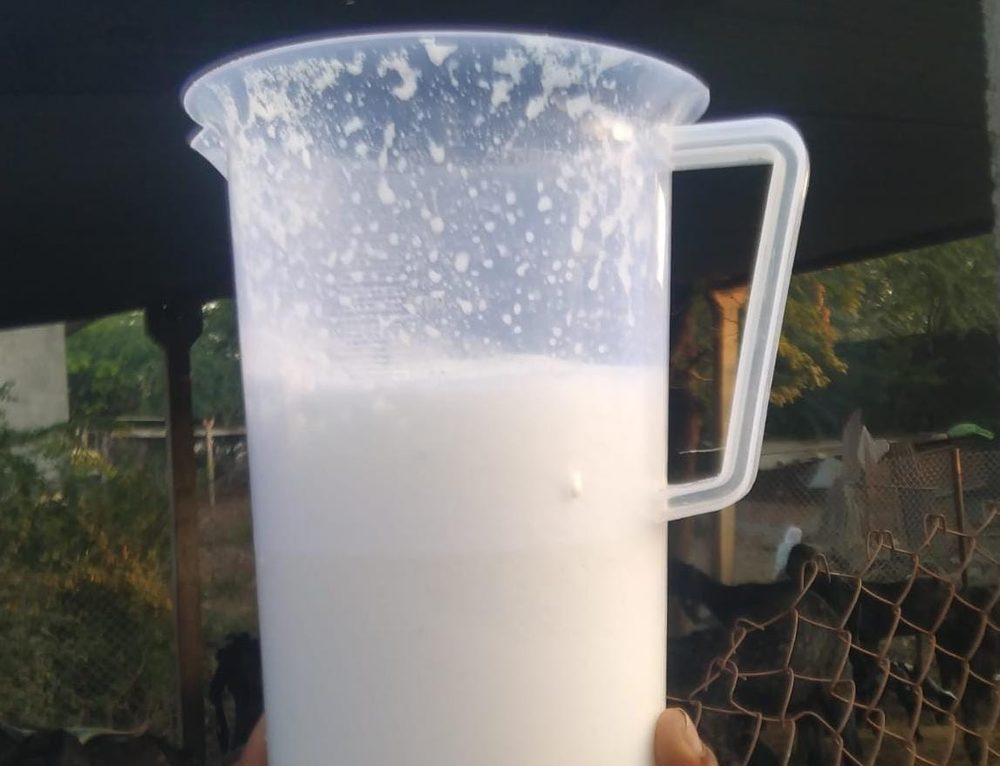
Milking
Clean hands, a clean udder and clean vessels, morning and evening.
03
Chilling
Six bulk milk chillers of 5,000 litres each cool the milk at the dairy.
04
Testing
The laboratory checks the milk and keeps a record of every litre.
05
Processing
The dairy and processing centre at Malpur prepares the milk.
06
To the family
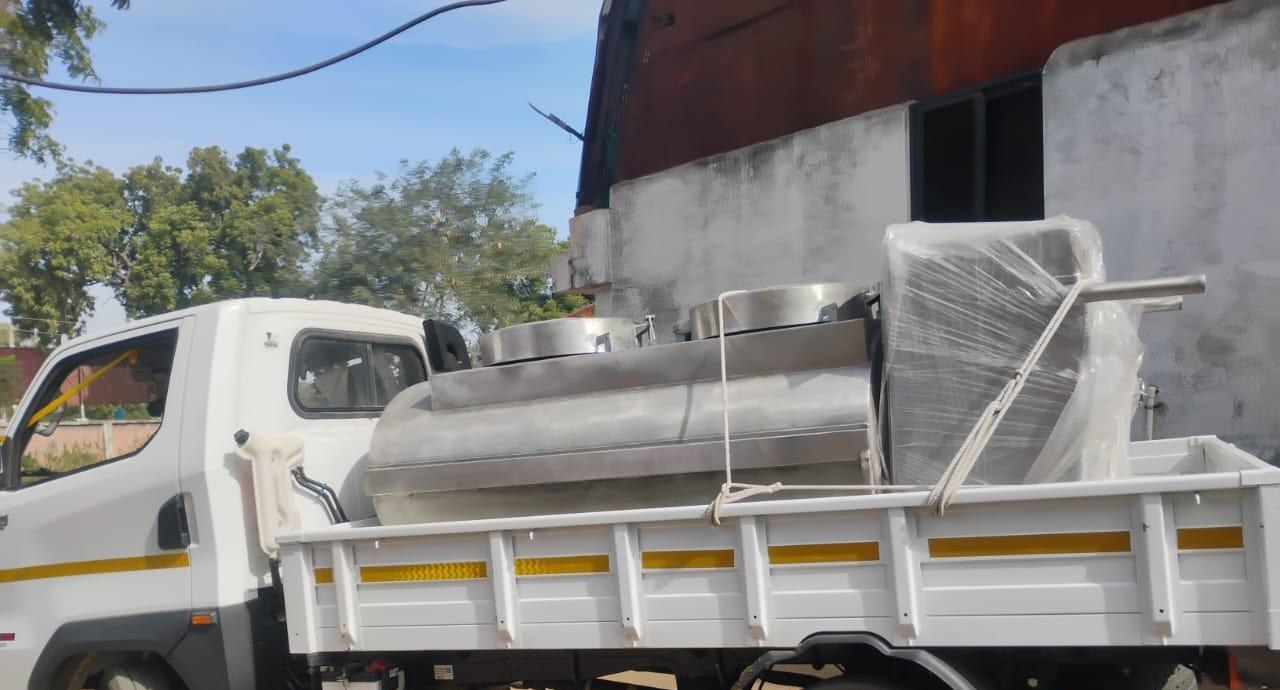
Daily delivery of Zalawadi goat milk goes out from Malpur.
Associated organisations